Nashville Driver Legitimacy Summit
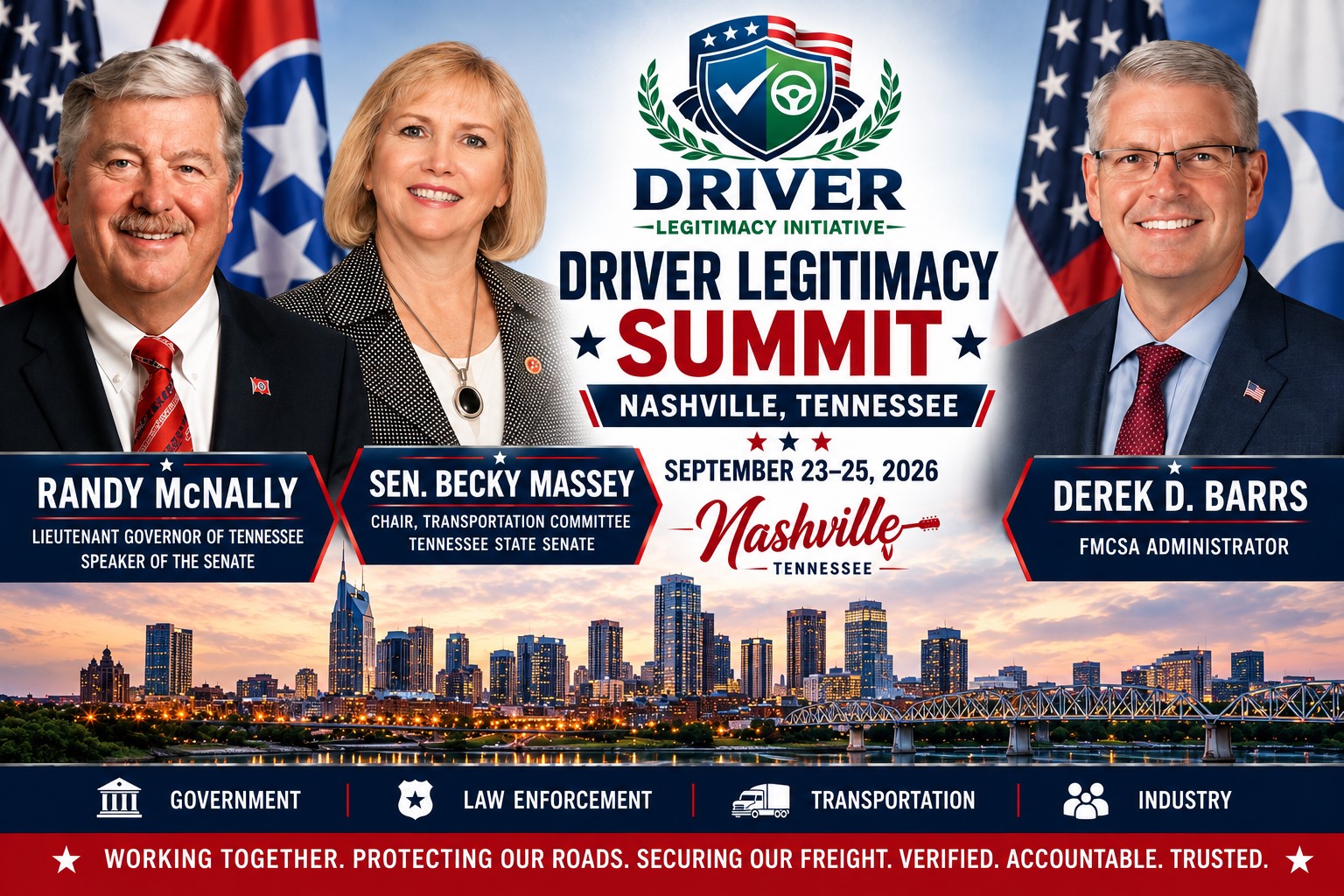
The 2026 Nashville Summit convenes state leaders, law enforcement, shippers, carriers, brokers, attorneys, insurers, and federal partners to define how states can protect their roads from unlicensed, uninsured, and illegal drivers — building on the Supreme Court's FAAAA ruling in Montgomery v. Caribe (involving C.H. Robinson), which affirms the states' authority to safeguard public safety on their own highways.
Leaders Setting the Agenda for Safer Roads
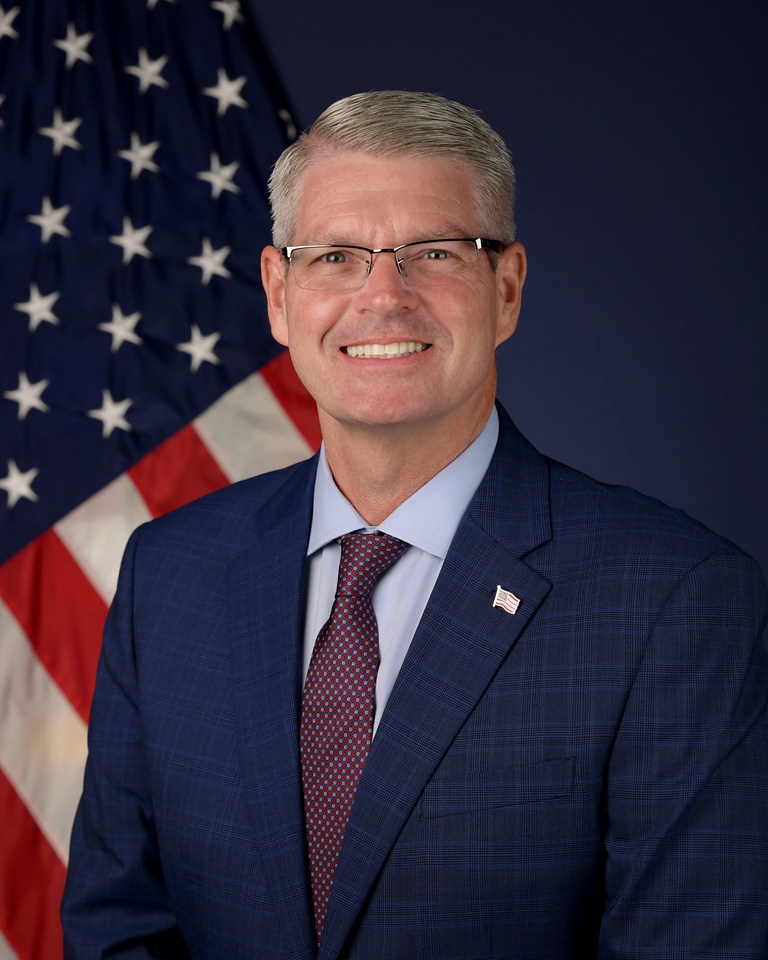
Derek D. Barrs
FMCSA Administrator
Derek D. Barrs serves as the Administrator of the Federal Motor Carrier Safety Administration (FMCSA) within the U.S. Department of Transportation. Nominated by President Donald J. Trump on March 25, 2025, and confirmed by the U.S. Senate on October 7, 2025, he leads the agency's mission to enhance commercial motor vehicle safety and bring commonsense principles to regulatory oversight.
With nearly 35 years in law enforcement and roadway safety, Barrs has built a distinguished career at the local, state, and national levels. He previously served as Associate Vice President for Strategic Mobility Solutions at HNTB Corporation, and rose through the ranks from Deputy Sheriff to Chief of the Florida Highway Patrol.
Nationally, he has been a leader in the Commercial Motor Vehicle Safety Alliance (CVSA), serving as Florida's lead agency representative, as president of the industry membership, and as the inaugural chairman of the Enforcement and Industry Modernization Committee. He has also served on the American Trucking Association's Law Enforcement Advisory Board.
Barrs was appointed by the Governor of Florida to the Flagler County School Board, where he advanced educational success through high expectations and a safe learning environment. A graduate of Flagler College with a degree in Public Administration, he remains active in his community and committed to public safety.
View full profile →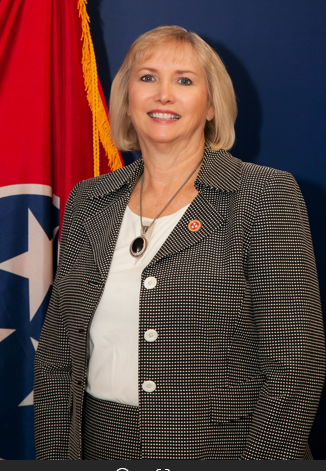
Becky Duncan Massey
Tennessee State Senator · Chair, Transportation & Safety Committee
Becky Duncan Massey is a member of the Tennessee Senate, representing the 6th District since November 2011. She Chairs the Senate Transportation and Safety Committee and also serves on the Senate Health and General Welfare Committee.
She was elected after Republican senator Jamie Woodson resigned, defeating Democratic candidate Gloria Johnson with 64 percent of the vote, and has been reelected in 2012, 2016, 2020, and 2024. She served as a delegate to the 1988 Republican National Convention.
Born on January 2, 1955, she is the daughter of John Duncan, Sr., Mayor of Knoxville and U.S. Representative for Tennessee's 2nd congressional district, and sister of Jimmy Duncan, who held the same congressional seat from 1988 through 2018. She earned a Bachelor of Science in Business Administration from the University of Tennessee at Knoxville in 1977.
Prior to elected office, she served as executive director of the Sertoma Center, providing residential and day services to individuals with intellectual and developmental disabilities in Knoxville. She is Past-President of Tennessee Community Organizations and a board member of Habitat Tennessee, Tennova Healthcare, the UT College of Nursing, and the National Conference of State Legislatures.
Massey is married to Morton Massey, a retired software developer. They have two daughters, Courtney and Kristen, and a granddaughter, Bailey.
View full profile →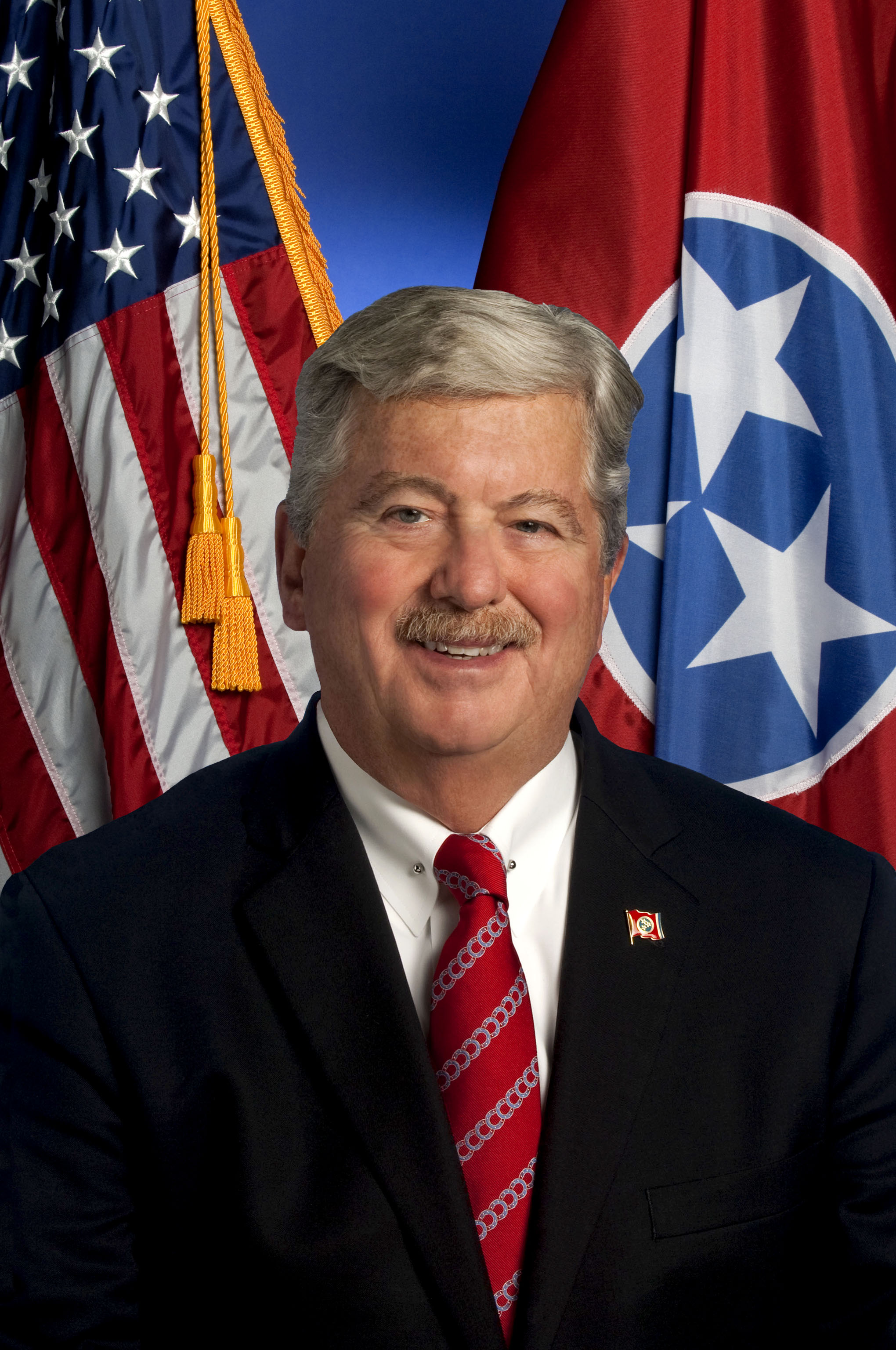
Lt. Governor Randy McNally
Tennessee
Tennessee's fiscal conscience, Lt. Governor Randy McNally is only the second Republican Tennessee Senate Speaker in modern history and the first from Anderson County in 150 years.
As chairman of the Senate's Finance, Ways and Means Committee for a decade, McNally oversaw the General Assembly's only constitutionally prescribed duty: the passage of a balance budget. Recognized across the state as a finance and budget expert, McNally's leadership has been critical in keeping Tennessee budget in balance and its credit "Triple-A" rated.
In addition to his 26 years on the Senate Finance Ways and Means Committee, McNally also served as chairman of the Senate Education Committee in the 102nd and 103rd General Assemblies.
A legislative leader for over four decades, Lt. Governor McNally has been recognized for his both his work in the General Assembly and in his community. McNally counts among his many achievements the American Conservative Union Conservative Achievement Award, NFIB's Guardian of Small Business Award, the Tennessee Association of Chiefs of Police Legislative Award and the Tennessee Press Association Open Government Award.
McNally received his B.S. from Memphis State University in 1967 and graduated from the University of Tennessee College of Pharmacy in 1969. He served as a hospital pharmacist at Methodist Medical Center in Oak Ridge from 1979 until his retirement in 2010.
View full profile →Driver Legitimacy Summit — Nashville
States Protecting Their Roads: Verifying the Driver & Confirming Custody at the Dock
This is a not-for-profit event. Registration fees are used to help cover the direct costs of hosting the Summit.
Full 3-Day Summit Schedule
Click a day below to view its full schedule
Schedule is subject to change as speakers and sessions are confirmed. Final agenda will be distributed to registered attendees prior to the Summit.
The Legal Landscape: FAAAA & State Authority
Registration & Networking
Attendee check-in and networking with state legislators, law enforcement, shippers, brokers, carriers, attorneys, insurers, cargo-security professionals, and federal representatives.
Why States Must Protect Their Roads
Featured Welcome — Tennessee Lt. Governor Randy McNally, President and Speaker of the Tennessee Senate
Opening address establishing the central question of the Summit: When freight is released at the dock, do we know who is taking custody of it — and do states have the authority and responsibility to confirm it before that load reaches the public highway?
The Supreme Court & the FAAAA Safety Exception
Montgomery v. Caribe — Involving C.H. Robinson
Examining the Supreme Court's ruling clarifying the FAAAA preemption's safety exception, and what it means for states seeking to protect their own highways from unlicensed, uninsured, and illegal drivers.
- •The FAAAA preemption and the preserved state safety role
- •Montgomery v. Caribe and the C.H. Robinson dispute
- •What the ruling affirms about state authority over highway safety
- •Where state regulation of drivers, carriers, and pickups can now stand
- •Practical implications for state legislatures and regulators
Central Question
Now that the Supreme Court has clarified the FAAAA safety exception, how far can states go to protect their roads from unlicensed, uninsured, and illegal drivers?
Discussion Questions
- 1.How does the Montgomery v. Caribe ruling specifically preserve a state's authority to regulate highway safety, and where does federal preemption still apply?
- 2.Which specific state-level driver, carrier, and pickup regulations can Tennessee now confidently enact under the clarified FAAAA safety exception?
- 3.What obligations does the ruling create for brokers regarding carrier selection and verification before a load is dispatched?
- 4.How should state legislatures draft statutes that align with the safety exception without running afoul of FAAAA preemption?
Break
Unlicensed, Uninsured & Illegal Drivers
The Threat on State Roads
The unlicensed, uninsured, and unauthorized drivers operating on state highways — and the gap between the credentials presented at the dock and the person actually behind the wheel.
- •Fraudulent and identity-mismatched CDLs
- •Uninsured and unverified carriers
- •Driver identity gaps at pickup
- •Unauthorized carrier substitutions
- •Illegal drivers reaching the highway
Central Question
What is the scope of unlicensed, uninsured, and illegal driver activity within the state's jurisdiction — and where is verification breaking down before they reach the road?
Discussion Questions
- 1.What data does the state currently have on the scope of unlicensed and uninsured drivers operating on its highways, and where are the blind spots?
- 2.At what point in the pickup process does driver identity verification most often break down, and why?
- 3.How can a state detect fraudulent or identity-mismatched CDLs before a driver ever reaches the public highway?
- 4.What responsibility do shippers and brokers bear when an unauthorized carrier substitution places an illegal driver behind the wheel?
Break
Cargo Theft & Unauthorized Dock Pickups
Where Verification Is Not in Place
Incidents and case studies of freight taken through fraudulent pickups and unauthorized carriers. The common thread is a failure to verify driver, carrier, vehicle, and shipment authorization before release.
- •Driver and carrier impersonation
- •Identity fraud
- •Fraudulent pickups
- •Double brokering
- •Unauthorized carrier substitutions
- •Last-minute driver or equipment changes
- •False pickup and shipment information
Central Question
What should have been verified and documented before the truck left the shipper's facility?
Discussion Questions
- 1.From the case studies discussed, which single verification check would have prevented each fraudulent pickup?
- 2.How can a shipper distinguish a legitimate last-minute carrier or equipment change from an unauthorized substitution?
- 3.What documentation should be required at the dock to confirm that the driver, vehicle, and shipment all match before release?
- 4.Where does the chain of custody most frequently break, and what is the lowest-cost intervention a state could mandate to close that gap?
The focus is the moment before freight leaves the facility — the last opportunity to stop an unauthorized transfer of custody before it becomes a state highway problem.
Industry Roundtable
Connecting the Dock to the Highway
A collaborative discussion examining the gap between where custody changes hands and where the consequence shows up.
Discussion Questions
- 1.Where does responsibility for verifying the transfer of custody currently fall between shipper, broker, carrier, and driver — and where are the handoffs unclear?
- 2.What information must each party share with the next so custody is confirmed before freight leaves the dock?
- 3.How can law enforcement and state government support industry verification without creating costly delays at the dock?
- 4.What is one action each party in the chain can commit to today to ensure no unverified driver reaches the public highway?
Day One Closing
Summary of the affirmed state authority under FAAAA, the unlicensed-driver threat, and the transfer-of-custody problem — preparing for Thursday's solution-focused discussion.
Attendance — $149 Per Person
Registration includes:
Summit Admission · Continental Breakfast · Refreshments & Snacks · Catered Lunch Thursday · Summit Materials · Working Sessions & Roundtables
This is a not-for-profit event. Registration fees are used to help cover the direct expenses associated with hosting the Summit. Attendance is limited by invitation.
CONFIRM CUSTODY AT THE DOCK.
PROTECT THE STATE'S OWN ROADS.
Verify Before You Release.
States Protecting Their Roads: Verifying the Driver & Confirming Custody at the Dock
About the Nashville Summit
The Driver Legitimacy Initiative began with "The Dalilah Law" — the federal framework announced at the 2026 State of the Union. In Nashville, the focus turns to the states. Following the Supreme Court's ruling on the FAAAA safety exception — Montgomery v. Caribe, involving C.H. Robinson — states now hold clearer authority to protect public safety on their own roads from unlicensed, uninsured, and illegal drivers.
Across three days, state leaders, law enforcement, shippers, carriers, brokers, attorneys, insurers, and federal partners address cargo theft and unauthorized pickups at the dock where verification is not in place — and define the states' role in ensuring the proper transfer of custody before a load ever reaches the highway. The shipper's dock is where custody changes hands; the state's road is where the consequence shows up.
Working Tracks
- • The FAAAA ruling & states' authority to protect public safety
- • Unlicensed, uninsured & illegal drivers on state roads
- • Cargo theft & unauthorized dock pickups where verification is missing
- • The states' role in proper transfer of custody
- • State legislation, enforcement & insurance reform
- • Federal–state collaboration under the FAAAA safety exception
States Protecting Their Roads: Verifying the Driver, Confirming Custody at the Dock